“The great thing with this urban nature-themed programme is that we are working together with urban practitioners, who are directly involved in change-making processes, such as city planning. The online format makes it possible to enrol participants worldwide, equip them with skills and strengthen their capacities required facilitating long-term transformations toward sustainability,” says Dr Bernadett “Berni” Kiss — lecturer and research associate at the IIIEE— about the capacity development programme Innovation in Governance for Urban Nature-based Solutions.
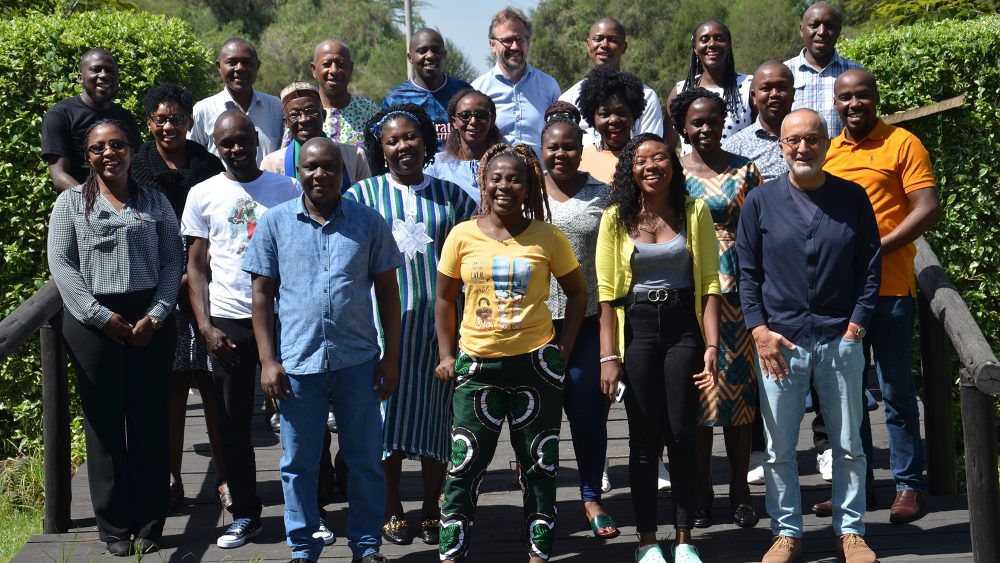
The group of participants together with Prof. Mo Hamza and Dr Matthew Scott at the kick-off event in Kenya.
At COP26 in Glasgow in 2021 the Global Mayors Action Agenda on Climate and Migration was launched. Our programme ‘Human Rights and Gender Equality in Climate and Disaster Displacement’, carried out with financial support from the Swedish Institute, is designed to contribute directly to this. It will be done by strengthening the capacity of municipal authorities in multiple cities in Africa (Free Town, Kampala and Nairobi) when it comes to how they address climate-related displacement into and within their municipalities.
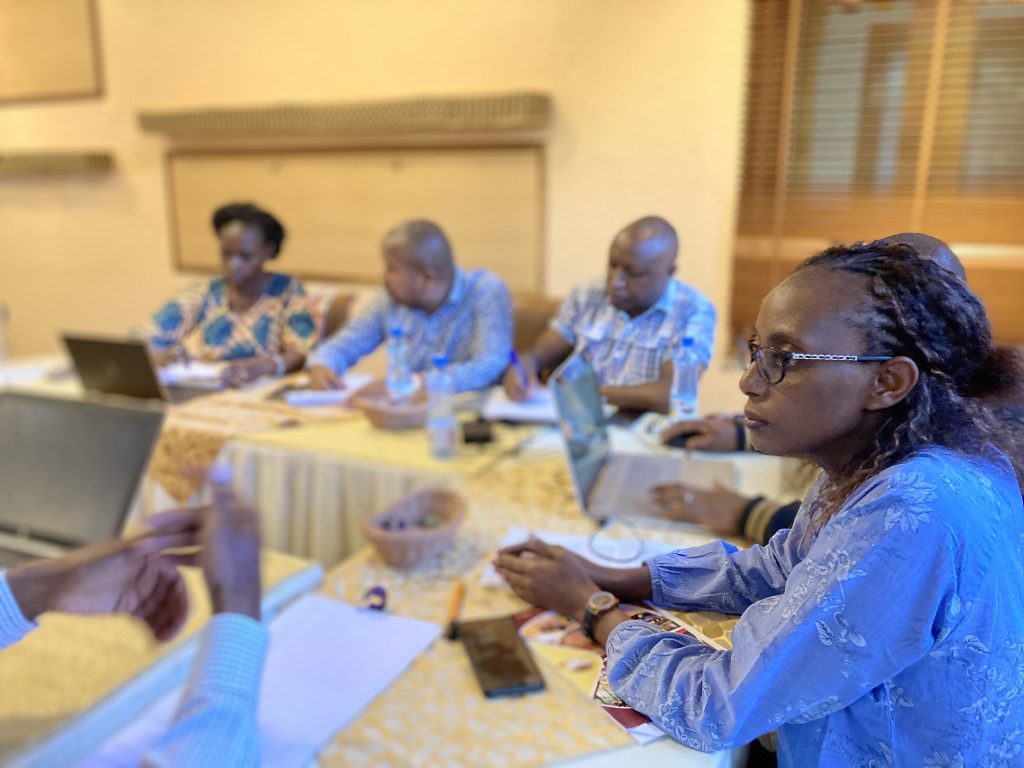
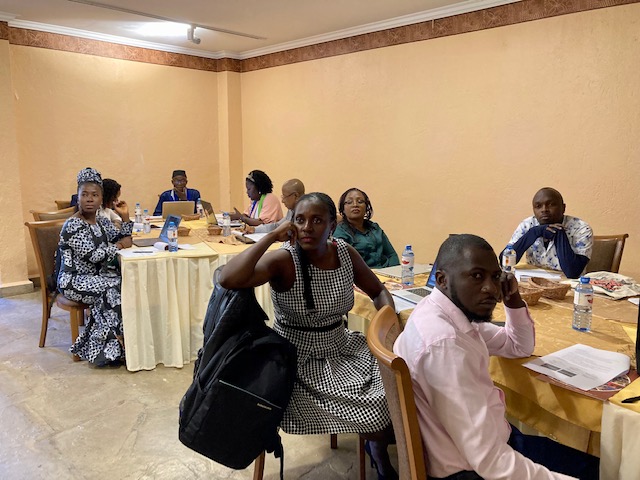
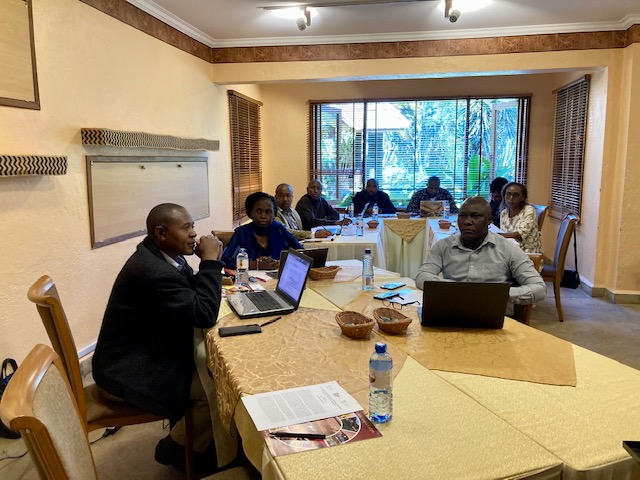
Recently, we arranged a large kick-off event for the programme participants (public sector professionals working on local and county government issues in Sierra Leone, Uganda and Kenya, with a mandate to develop policies on for example housing, migration and crisis preparedness).
An introduction was held by Prof. Mo Hamza and Dr Matthew Scott to human mobility in the context of disasters and climate change.
Furthermore, the participants got to work together to start developing action plans for how they will build profiles of displacement issues from the perspective of local authorities. The profiles will be developed over the course of seven modules and will be presented at a final event in one of the three participating countries in August 2023.
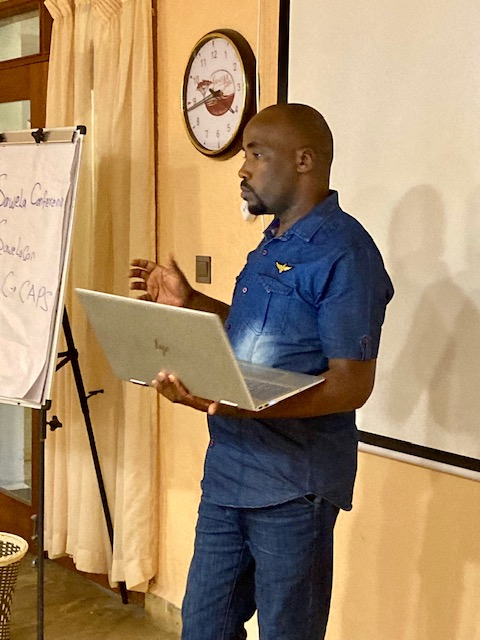
A selection of photos from the event:
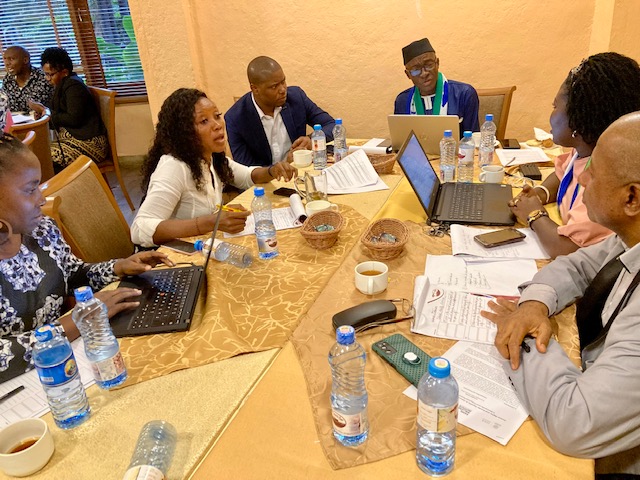
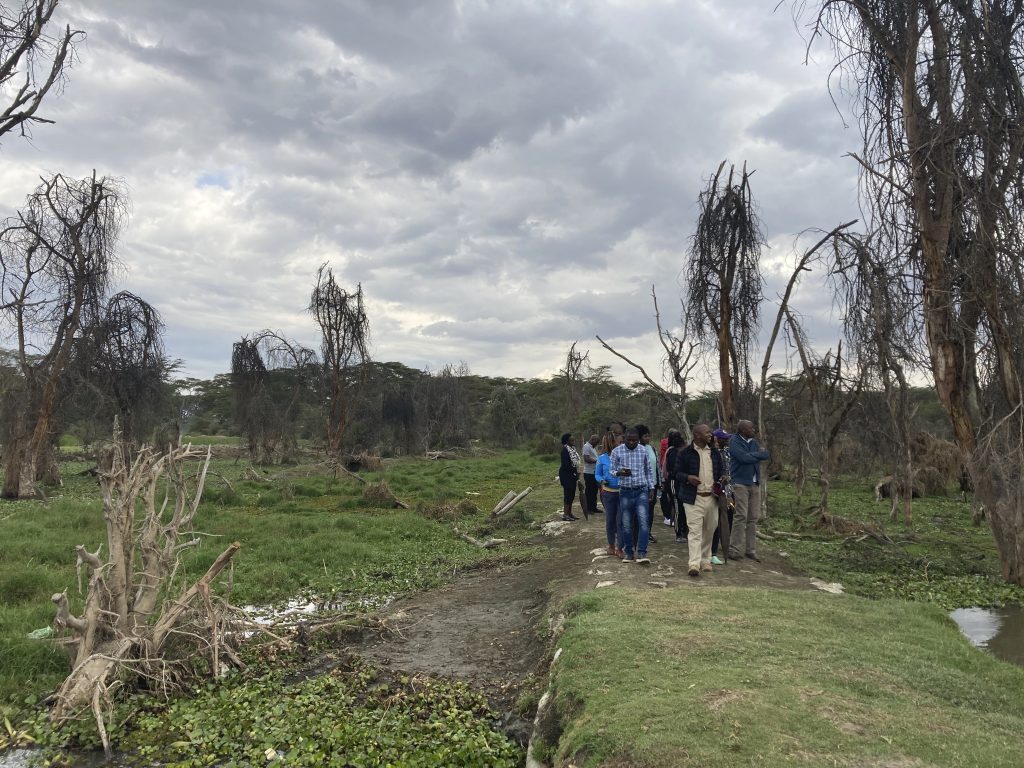
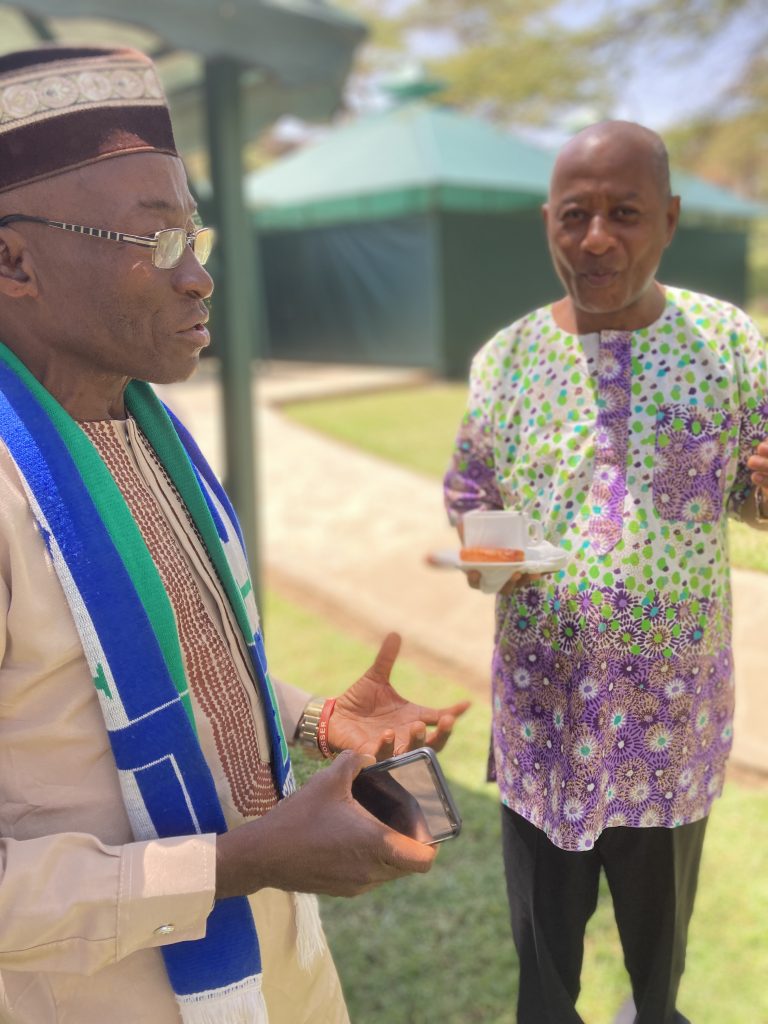
Sierra Leone Red Cross team in group discussion during the kick-off event.Field trip around Lake Naivasha in Kenya, where participants learned of climate-related rising of the lake and associated displacement.Sylvestre Sidie Mohamed Kallon and Yusufu Kamara (Sierra Leone Red Cross) in discussion during a break.Quiz on mobility and migration – Kenya team.Introduction to Mobility, Migration and Displacement – Uganda and Sierra Leone teams.Introduction to FIRE (Framework for Integrating Rights and Equality) – Kenya Team.Nicholas Wanjiru (Kenya) presenting his team’s plan for City Profile on Migration and Displacement.
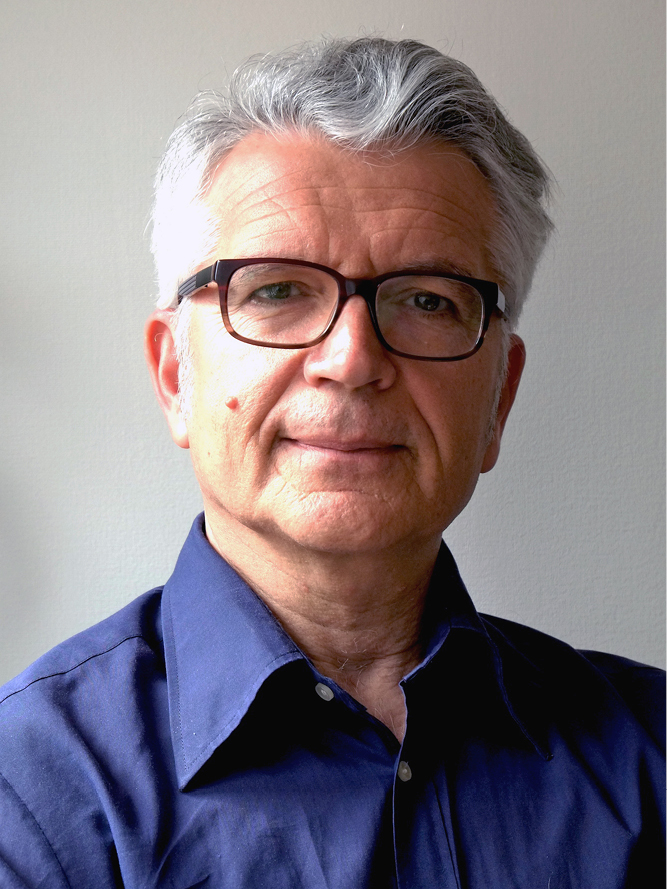
“We wanted to visit the teams of participants in the programme and their municipalities to gain more political and administrative support along the way. We met the participants’ supervisors and local politicians, often the mayors, and presented the goals of the programme to them directly, to answer their questions, as well as build up trust and networking. Meeting the participants in person was also very valuable. That way, the programme becomes more real. We also tried to meet some other potential stakeholders, partners and ‘programme friends’ during the visits. Universities and UNDP country organisations were particularly important in that respect”, says Ilhami Alkan Olsson.
“On the whole, the visits were useful and fruitful. Not only did they increase the motivation of the participants and teachers/mentors, they also created opportunities to meet different organisations and people that may contribute to our programme in different ways. The visits are also a promising basis for the future cooperation with the participants and stakeholders. The alumni meetings, that took place in Turkey, showed the importance of continued networking. Through such meetings and encounters the programme does not become ‘passé’ for the former participants, but alive and meaningful”, says Johanna Alkan Olsson.
Some of the meetings were covered by local and national media, including CNN Turkey, as well as several social media networks.
Below is a selection of events during the trip:
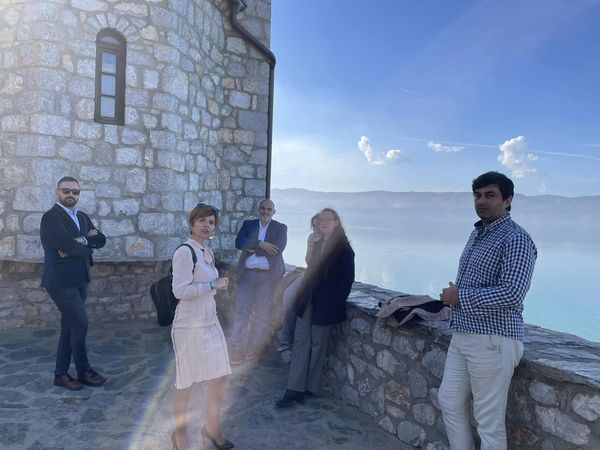
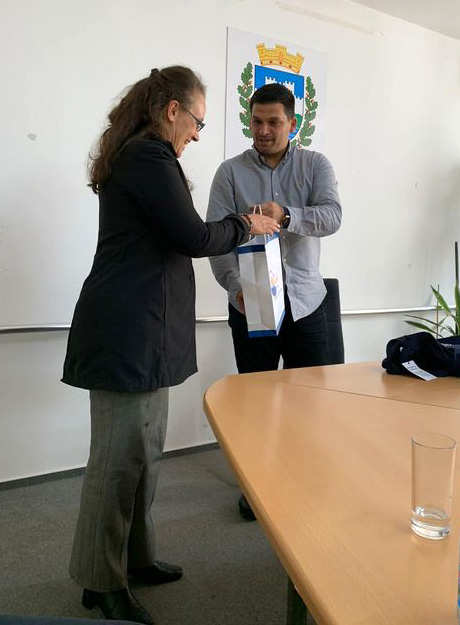
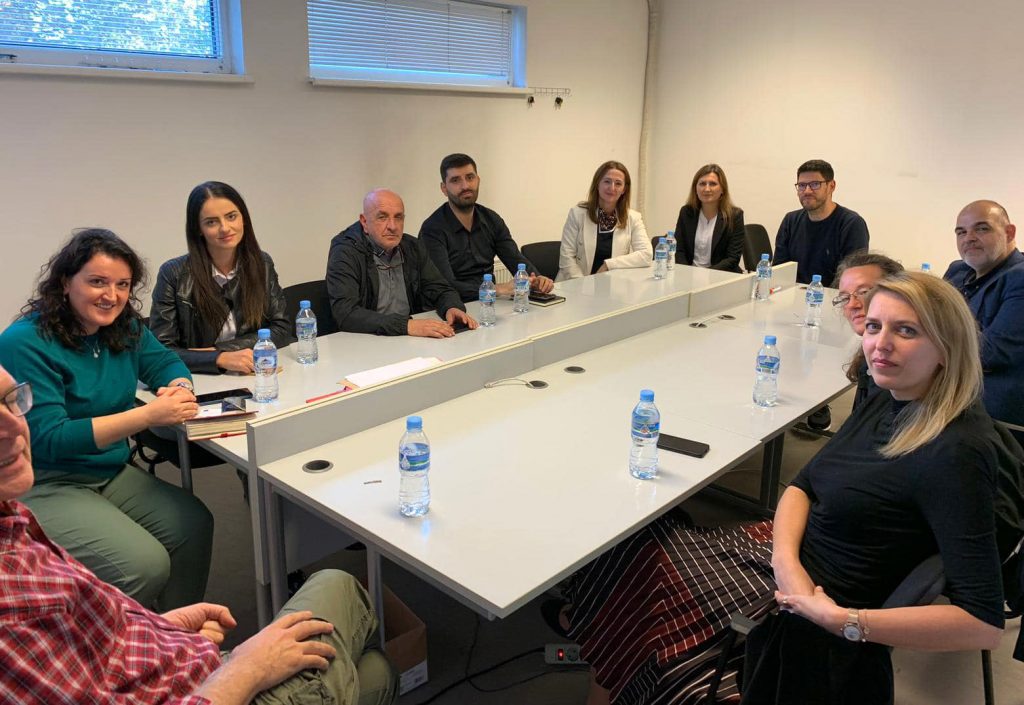
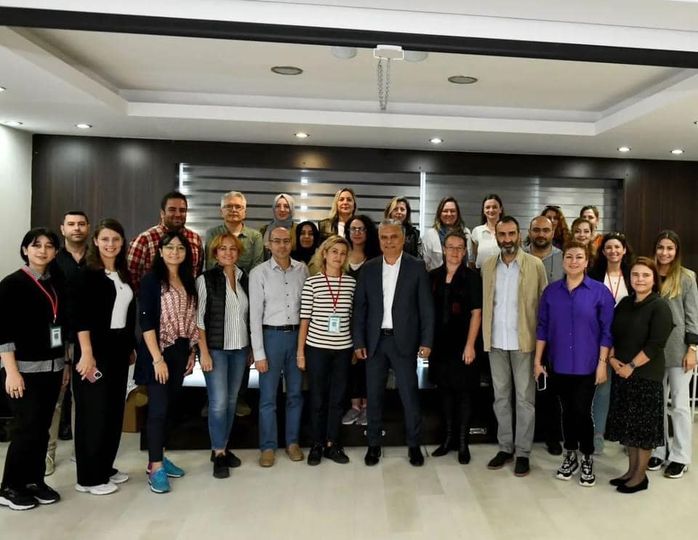
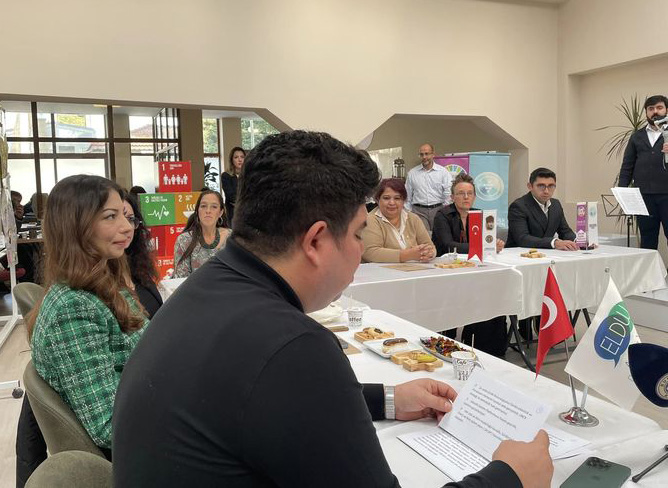
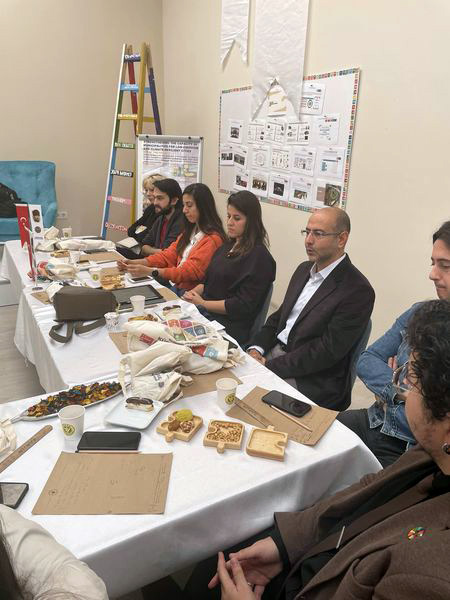
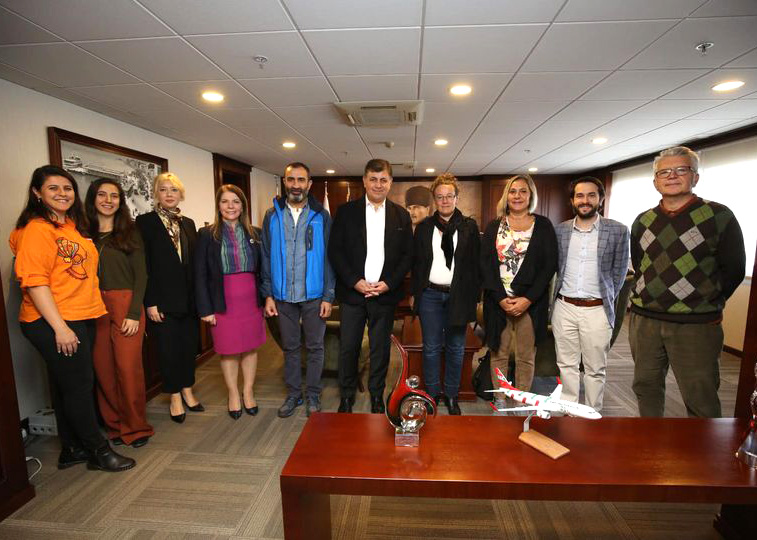
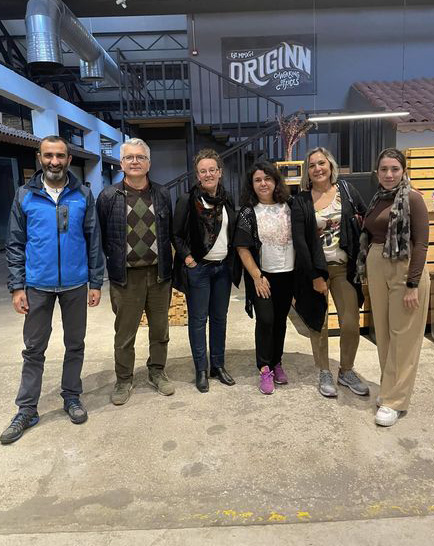
On the 2nd of November, the mentors visited Ohrid, a participant municipality from North Macedonia. The team members and the Mayor of the city were very welcoming. Here the Mayor hands over a gift to Johanna Alkan Olsson.In Tetovo, in North Macedonia, the mentors met our participants as well as members of the City Council. In Tetovo, the mentors also had the chance to visit the place where the team will implement their change project and got to talk to some of their stakeholders. The last stop in the city was the university, as the mentors want to strengthen the linkage between the change project and a local university.On the 4th of November the mentors were in Antalya, Turkey, to attain their first ‘Country alumni meeting’. 29 former and current participants, as well as those academics that contributed to our programme, participated in the meeting. The Mayor and municipal experts also actively participated in the discussions.On the 7th of November, our mentors visited Buca, our new participant district municipality (500.000 inhabitants) from Izmir Metropolitan Municipality in Turkey and met the current team and the Mayor.Buca also hosted our Alumni meeting in the afternoon. Around 20 former and current participants from Izmir participated.On the 8th of November, the mentors visited Karşıyaka, another district municipality (350.000 inhabitants) in Izmir in Turkey, and had a very productive working day with the team members as well as the Mayor and Vice-Mayor.The following day, the mentors visited Team Originn, the third team from Izmir, a civil initiative on sustainability. Alongside with the team members, they met some other civil initiatives and groups that were present in their shared building. In the Izmir visits, two of the programme’s local teachers and mentors; Assoc. Prof. Dr. Özgür Arun and Prof. Dr. Canan Madran were also present.


Comments